Factors that influence consumers' purchase decision to buy cookware
2022-09-13
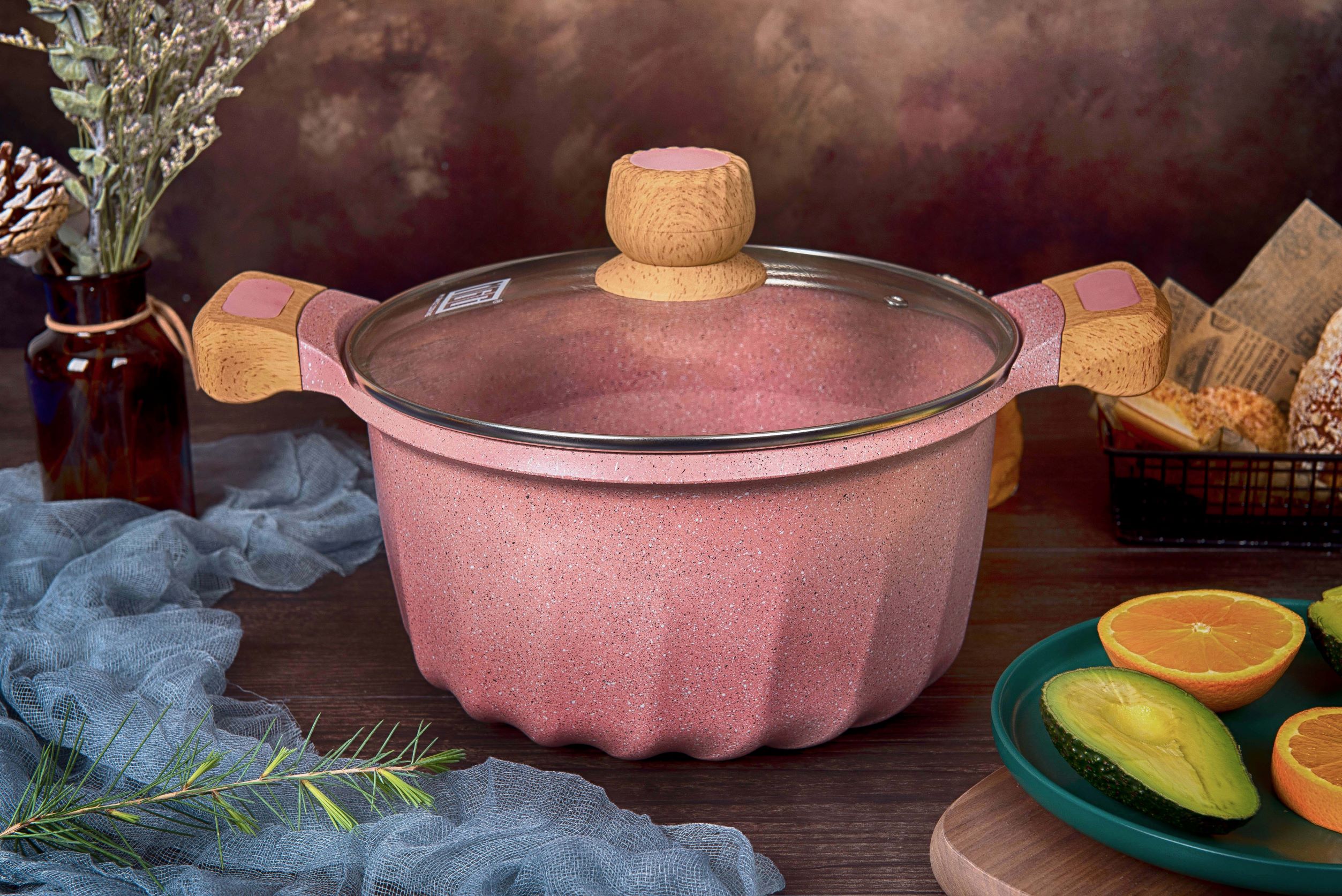
The global cookware market size was valued at $23.75 billion in 2021.It is expected to expand at a CAGR of 6.5% from 2022 to 2030. The rising preference for modular kitchens and improving living standards are driving the demand for cookware products in both commercial and residential sectors.
Because of The COVID-19 pandemic,people have changed their attitude towards health and the kitchen environment.There are several factors that determine the consumer's purchase of cookware,such as working from home,shopping online and extra spending from not having any outdoor leisure and travel dining expenses.
Demand for cookware is also on the rise as people pay more attention to decoration and increasingly prefer modular kitchens.According to the Leading Index for remodeling activity, home improvement spending has risen at 6% annually in the last three years since 2015. In addition, some manufacturers work with contractors and builders to use the right cookware when decorating the kitchen.
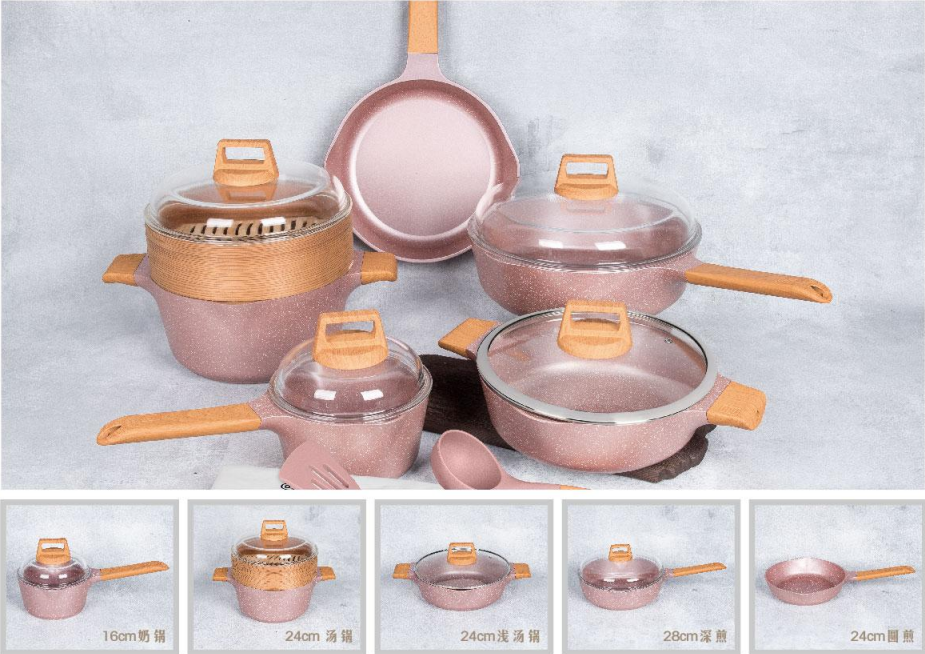
Millennials are more likely to cook at home rather than ordering take-out or eating out, which increases the demand for cookware products.More color, adaptable pieces for smaller spaces, and pieces that meet consumers’ individual needs are some of the trends shaping the market for cookware in the residential sector.
Furthermore, the growth of commercial kitchens, restaurants and eateries along with urbanization has greatly boosted the demand for cookware.Dining out has become more than just about eating for consumers and food joints. In the hospitality sector, customer retention goes beyond food and depends on how good the overall experience has been for the patrons.
Concerned about climate change and deforestation, more consumers are seeking sustainable products.Cookware made from sustainable materials that are free of glues, polymers, coatings, or dyes is in demand now more than ever. Consumers are looking for cookware that is not only sustainable, but also aesthetically appealing.
Because of The COVID-19 pandemic,people have changed their attitude towards health and the kitchen environment.There are several factors that determine the consumer's purchase of cookware,such as working from home,shopping online and extra spending from not having any outdoor leisure and travel dining expenses.
Demand for cookware is also on the rise as people pay more attention to decoration and increasingly prefer modular kitchens.According to the Leading Index for remodeling activity, home improvement spending has risen at 6% annually in the last three years since 2015. In addition, some manufacturers work with contractors and builders to use the right cookware when decorating the kitchen.
Millennials are more likely to cook at home rather than ordering take-out or eating out, which increases the demand for cookware products.More color, adaptable pieces for smaller spaces, and pieces that meet consumers’ individual needs are some of the trends shaping the market for cookware in the residential sector.
Furthermore, the growth of commercial kitchens, restaurants and eateries along with urbanization has greatly boosted the demand for cookware.Dining out has become more than just about eating for consumers and food joints. In the hospitality sector, customer retention goes beyond food and depends on how good the overall experience has been for the patrons.
Concerned about climate change and deforestation, more consumers are seeking sustainable products.Cookware made from sustainable materials that are free of glues, polymers, coatings, or dyes is in demand now more than ever. Consumers are looking for cookware that is not only sustainable, but also aesthetically appealing.
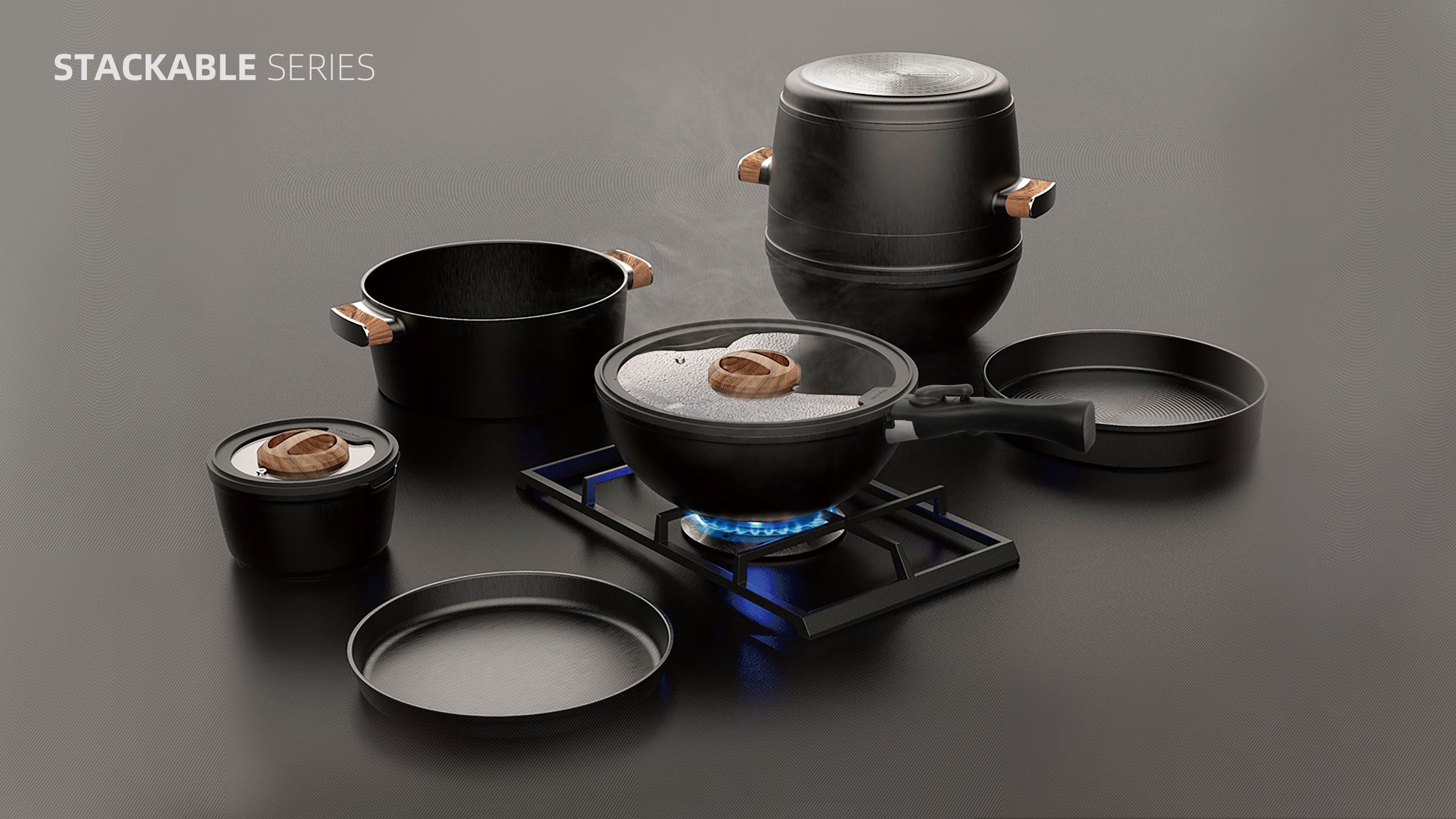
Stackable series cookware won the Red Dot Design Award designed and produced by MGC
The benefits of non-stick cookware